What was announced
On October 14, CedarDB announced the general availability of CedarDB Cloud, a fully managed way to run its PostgreSQL-compatible database, which the company describes as serving both transactional and analytical workloads from a single system. The underlying database engine and its PostgreSQL compatibility predate the announcement. The new element is the hosted service, which the vendor says handles provisioning, upgrades, role-based access, and monitoring so customers do not operate the infrastructure themselves.
Independent reporting from TechCrunch covers the same launch and characterizes access as limited following a beta period, while the vendor's own announcement describes the offering as generally available. This article describes the event as a managed cloud launch and treats current availability as something any interested business should verify directly with the vendor before planning around it.
The vendor's cloud documentation sets out the boundaries of the initial service. Hosting begins on AWS in Europe and the United States, instances scale vertically rather than automatically, and backups at launch are manual, with automated backups described as forthcoming. The compatibility documentation states that CedarDB supports the PostgreSQL wire protocol and much of its SQL, but not every feature, and that PostgreSQL extensions are not compatible. None of these capabilities were independently tested for this article, and no performance or cost claims from the vendor are repeated here.
Why a single transactional and analytical database is being discussed
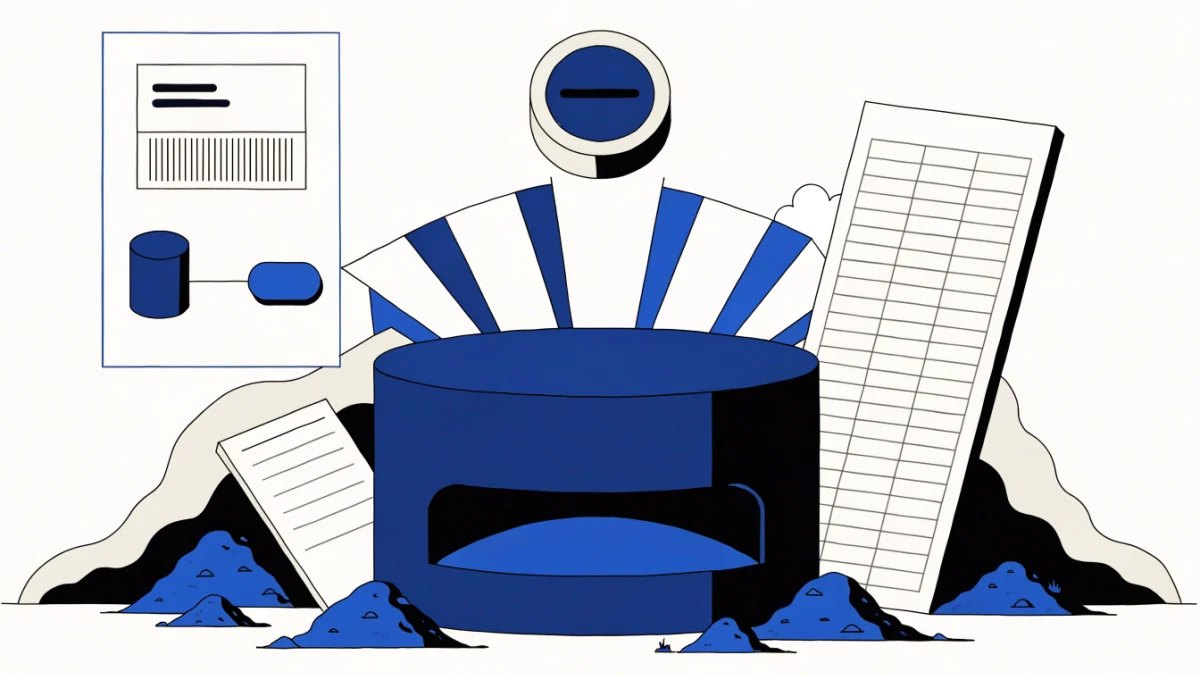
The problem this category of database targets is familiar to many small and mid-sized operators. Transactional records such as orders, quotes, and invoices live in one system, while reporting and analysis depend on periodic exports loaded into spreadsheets or a separate warehouse. Each export is a snapshot that begins to drift the moment it is created, and the gap between systems creates repeated manual handoffs: someone re-enters data, reconciles a discrepancy, or answers a status question by opening several programs and comparing them by eye.
What this means for your business
A concrete example illustrates the practical option here without assuming any particular database. Detailed In Design could build an operations portal for a business that combines its authorized job, quote, and invoice records into one place, adds a live status dashboard, and provides a read-only question interface over approved reporting views. A dispatcher could ask which quotes are awaiting approval this week and receive an answer drawn from current records rather than a last month's export. Any proposed change to a customer record would still require a named staff member to review and approve it, and the question interface would not post invoices or alter records on its own. The expected benefit is clearer operational visibility and fewer manual reporting handoffs. Detailed In Design makes no numerical promise about time or cost savings, and this is a proposed custom system, not an existing product or a completed integration with CedarDB or any other vendor.
The decision to change a database is separate from the decision to improve reporting access. A business whose current database already handles both its daily transactions and its reporting adequately may gain little from this launch. For anyone evaluating a managed database of any kind, the diligence list is concrete: test the actual workload and the exact queries the business depends on, confirm driver and SQL compatibility, inventory any PostgreSQL extensions in use because CedarDB documents that extensions are incompatible, verify authorized data access paths and permission models, check region and retention terms against obligations, and rehearse migration, rollback, and restore procedures before committing. The documented manual backup process at launch is a specific limitation to weigh, and database-level roles do not by themselves establish the safety of an application built on top of them.
A restrained next step
If reporting lag is a real cost in your operation, the useful first move is not a migration. It is to identify one reporting bottleneck, such as a weekly status question that takes a day to answer, and test whether a reporting layer over your existing authorized data sources resolves it. If a database evaluation does follow, run it against a representative workload with the checks above before treating any vendor claim, including availability, as settled.
Detailed In Design builds custom software, integrations, portals, and reporting tools with human review built into the workflow. More about how the firm approaches these projects is available on the services page of this site.
Sources and original reporting
- CedarDB Cloud Is Now Generally Available
- CedarDB wants one database to handle both transactions and analytics, as AI agents raise the stakes
- CedarDB Cloud features and launch limitations
- PostgreSQL Compatibility - CedarDB Documentation
Share this story
Use More apps or Copy link for Instagram, Threads, YouTube, and other platforms.